

Within the ever-evolving world of streaming live content, services like Twitch have become essential for content creators looking to connect with their viewers. Still, with countless hours of content being streamed, it's vital to understand how to efficiently capture, download, and archive this material. Whether you are a casual streamer looking to save your highlights or a dedicated content creator aiming to create a library of VODs for making money and expansion, having a solid approach to capturing and managing your Twitch content is necessary.
This manual will walk you through the optimal practices for recording Twitch streams, saving VODs, keeping clips, and storing highlights across various platforms and devices. We will explore techniques to guarantee high quality capture, strategies for effective storage and organization, and the legal aspects to keep in mind. By following these suggestions, you'll not only save your streamed content but also enhance your ability to engage and expand your audience. Get prepared to become a stream savvy creator who makes the most of every broadcast.
Capturing Twitch Broadcasts
To effectively record Twitch broadcasts, it is crucial to select the best applications that suit your needs. Many broadcasters opt for PC recording software, especially on Windows and macOS, which provide a variety of capabilities aimed at excellent footage recording. Options such as Open Broadcaster Software, Streamlabs OBS, and XSplit offer extensive configurations to control video quality, bitrate, and audio quality, ensuring your captures reflect both the video and audio experience of the broadcast.
On-the-go Twitch capturing is an additional choice for capturing streams while the move. Dedicated applications are offered for both Android devices and iPhone phones, enabling players to record games or streams directly from their mobile devices. These applications come with user-friendly designs, but they may not offer the equivalent level of flexibility as PC software. It is important to confirm that your smartphone device has sufficient storage and capabilities to manage the recording without sacrificing quality, as live broadcasting media can be resource-intensive.
Regardless of the approach you select, being aware of licensing considerations is essential. Streaming platforms have particular guidelines regarding recorded content and the use of copyrighted material. Understanding copyright guidelines will help you avoid possible issues with content ownership while guaranteeing you can preserve your broadcasts ethically. By establishing a systematic approach to recording, including established standards and tools, you can build a comprehensive library of your Twitch.tv content that enhances your stream's growth and interaction.
Downloading and Archiving VODs
To effectively manage your Twitch content, downloading and storing your Video on Demand (VOD) is essential. Twitch provides a straightforward process for this, allowing streamers to store their live broadcasts for later viewing. To download your VODs, go to the Creator Dashboard, choose Content, and then VODs. From there, you can find the clips you want to save and simply press the download button. This ensures that your streams are available offline and can be preserved for long-term storage.
When storing VODs, it is vital to consider the video quality and file format. Ideally, choose a resolution and bitrate that maintain the quality of your original stream. Twitch typically stores VODs in high quality, but you may want to adjust settings based on your storage capabilities and intended use. Consider using formats that are broadly compatible, such as MP4 or AVI, which can simplify the editing process down the line and make easier sharing across different platforms.
Finally, developing a solid archiving strategy is essential for content creators. Adopt a systematic approach for organizing your stored VODs, labeling them with relevant keywords, and backing them up on multiple devices. This not only helps in managing your video library but also makes it easier to find specific recordings for future projects or highlight reels. By taking these steps, you guarantee that your precious content is preserved and accessible for years to come.
Recording Clips and Key Moments
Collecting segments from your Twitch streams is a great way to showcase your favorite moments and connect with your audience. Twitch lets streamers to make clips effortlessly during or after a live session. This feature is great for extracting standout moments, whether it's an epic play, a comedic interaction, or an emotional reaction. To generate a clip, simply move to the video you want to highlight, use the clip button, and adjust the length to get the right segment. Remember, clips are an outstanding way to attract new viewers and keep your content fresh on social media platforms.
For those wanting to save clips for later use, consider obtaining them immediately. Various tools and browser extensions can help the downloading process, allowing you to save clips without any difficulty. Some software options offer bulk download capabilities, enabling you to obtain multiple clips at once. This is particularly useful if you've had a productive streaming session and want to store several highlights without investing too much time on each one. By arranging these clips properly, you can maintain a library that’s quickly accessible for your editing needs or future promotions.
When it comes to keeping highlights, it's important to keep audio and video quality in mind. Be sure to pick the suitable resolution and bitrate that suit your saving capabilities and audience needs. Long-term storage solutions, such as cloud services or external hard drives, can ensure that your clips remain secure and easily retrievable. Implementing a uniform naming and organizational strategy for your saved clips will enable for a smoother workflow when you are set to edit or share these highlights through platforms. Additionally, being mindful of legal considerations, such as usage rights, can help safeguard your content while boosting its potential for growth.
Optimal Techniques for Quality and Preservation
To ensure optimal quality during streaming broadcast capture, focus on ideal sound and video settings. Use a capture software that accommodates multiple resolutions and bitrates, allowing you to customize the results to suit your needs. Aim for a resolution of at least 1080p to maintain crispness, particularly for fast-paced content or active videos. Ensure your audio is captured at a high fidelity as well; use an external microphone if possible to enhance sound clarity and minimize background noise.
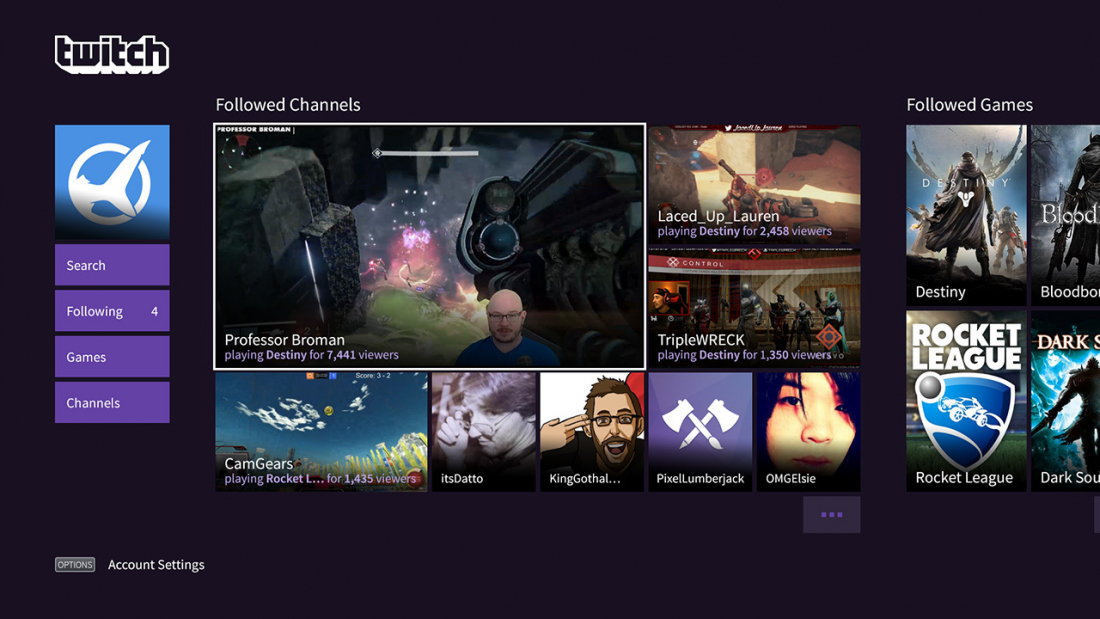
When it comes to keeping, effectively organizing and safeguarding your streaming content is essential. Utilize a structured folder system on your hard drive where you sort VODs, clips, and highlights to ease retrieval. Consider utilizing cloud storage for additional security; this not only safeguards against on-site hardware breakdowns but also enables easier access across multiple devices. Consistently assess Capture Twitch content in bulk free and clear space by removing unnecessary files, especially after creating new content.
Finally, it is crucial to consider permanent storage solutions for your captured videos. Use file formats that are commonly supported and provide a favorable balance between quality and file size, such as MP4 for video. Keep multiple copies in various places—one on a physical drive and another on a remote service—for safety. Being diligent about these practices will help you preserve your Twitch content efficiently, making it more straightforward to access for future editing or monetization as your channel grows.
Lawful and Ethical Considerations
When recording, downloading, and storing Twitch.tv content, it is important to take into account the legal implications of your actions. Content generated on Twitch is protected by intellectual property laws, meaning that content creators hold the ownership to their original content. If you wish to record a Twitch stream, it is essential to secure permission from the content creator, especially if you plan to share or profit from the content. Familiarizing yourself with the platform's terms of service can help ensure you are not violating on rights as a viewer or content creator.
Fair use doctrine offers some flexibility for transformative works, but this can be a unclear area in application. When making snippets or clips, the general rule is to use brief segments that add insight or analysis. Make sure your utilization complies with fair use guidelines to avoid lawful repercussions. Always credit the original creators and consider the context in which you are utilizing their content, as this can affect fair use claims.
In addition to copyright considerations, think about the ethical consequences of preserving and sharing another creator's content. Respect the community standards of Twitch and the expectations of content creators regarding how their work is distributed. Participating in open practices and honoring the desires of streamers fosters goodwill and supports the streaming community’s growth. Ultimately, ensuring that your recording and archiving practices are legal and moral aligns with a commitment to producing content responsibly.